01
Problem
Coastal Maine Botanical Gardens wanted visitors to explore beyond the event's major attractions through site-specific work connected to Maine biodiversity.
Read the chapterPORTL& / Creative technology / 2025
Three sites.
Three systems.
One living landscape.
At PORTL&, our four-founder studio created three outdoor biodiversity installations for Coastal Maine Botanical Gardens. I led technical planning, fabrication, projection work, and field installation.
Walk through the projectThe commission
Coastal Maine Botanical Gardens wanted visitors to explore beyond the event's major attractions through site-specific work connected to Maine biodiversity.
My contribution
Completed installation
Deployed for approximately one month in 2025; temporary systems were removed after the event.
01
Coastal Maine Botanical Gardens wanted visitors to explore beyond the event's major attractions through site-specific work connected to Maine biodiversity.
Read the chapter02
I modeled the canopy in Blender 3D, engineered modular clear resin sculptures, and planned unattended outdoor automation across three distinct physical sites.
Read the chapter03
Three custom systems deployed: aquatic projection across frozen water, a 30-foot tree-mounted vernal pool, and motion-responsive salamanders with independent microcontrollers.
Read the chapter04
All three installations operated through the month-long winter event, supported by scheduled automation and on-call field maintenance.
Read the outcomeThe guided story
As Co-Founder and CTO of PORTL&, I directed the spatial previsualization, physical fabrication, and field engineering. These chapters document how physical context shaped the technical decisions at each site.
Following my earlier solo projection-mapping work at Coastal Maine Botanical Gardens, PORTL& was invited as the event's first collaborative artist. The 2025 biodiversity theme created an opportunity to activate underused areas and distribute visitor attention across the property.
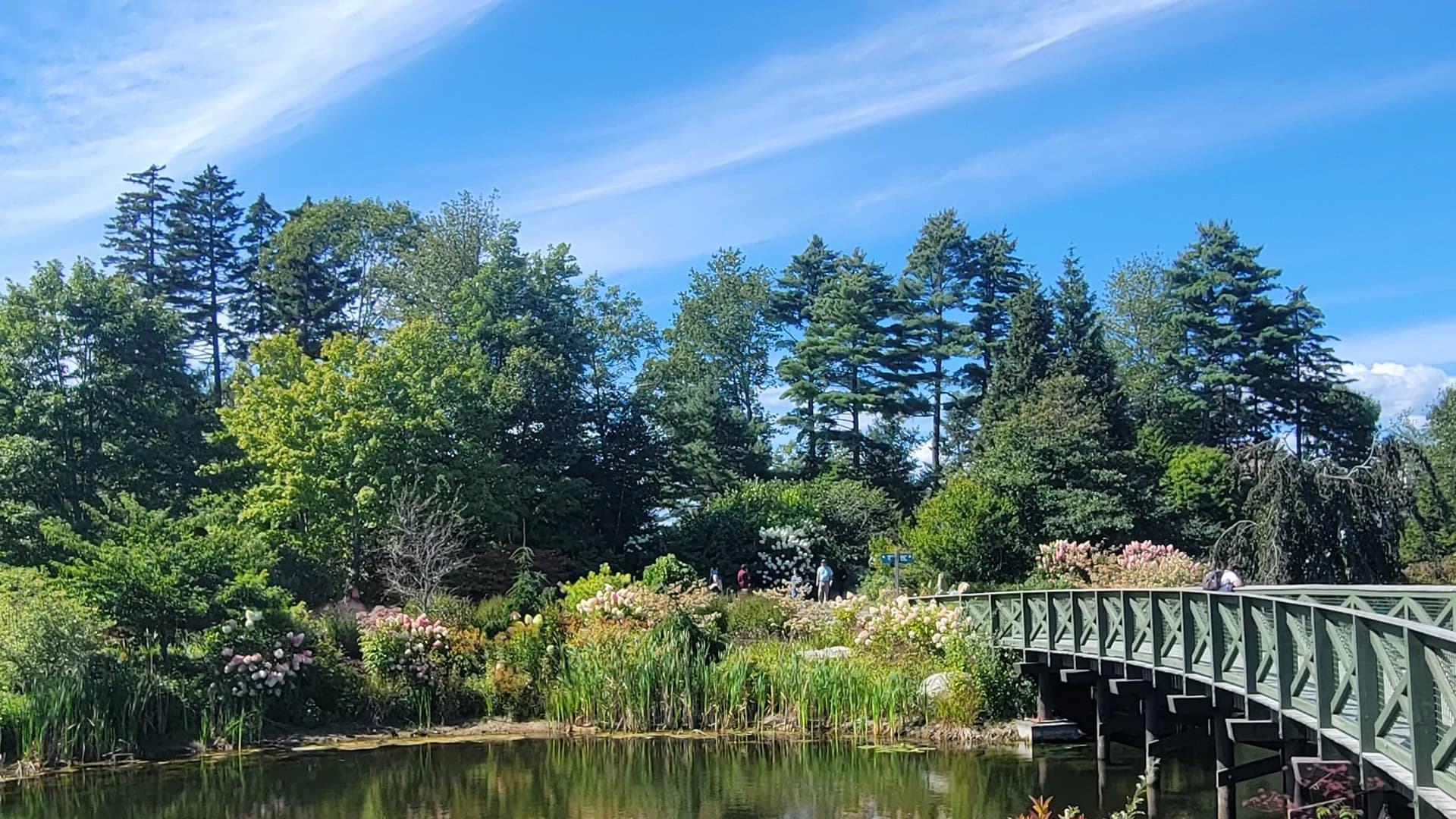
The bridge, walkway, and garden differed in viewing geometry, environmental exposure, power, and physical access. Rather than forcing a single technical template, I drove custom spatial previsualization in Blender and extensive outdoor field trials in backyards, parks, and cemeteries to validate throw distances and cold-weather durability.
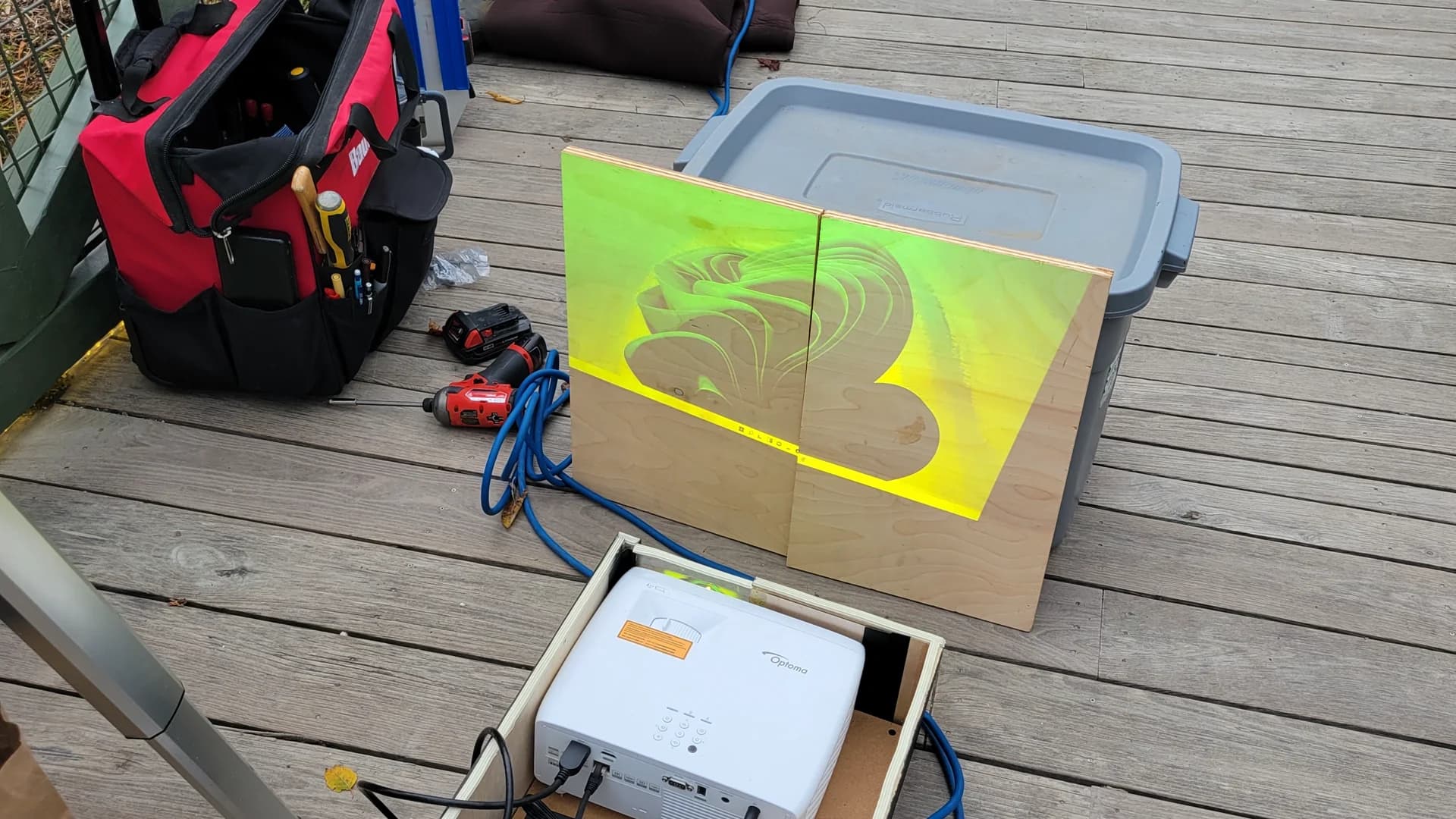
I designed and fabricated a custom dual-projector marine enclosure mounted underneath the bridge, installing the hardware directly from a small dinghy on the water. I animated aquatic creatures in After Effects and mapped the outputs in TouchDesigner so that marine life appeared to swim seamlessly beneath visitors' feet from one side of the bridge to the other.
Rigging an 8,000-lumen projector 30 feet in a winter tree canopy carries severe physical risk. I challenged onsite guesswork by recreating the entire site in Blender 3D, calculating throw ratios, mount angles, and audience perspective before ever touching the tree. I then operated a JLG compact crawler boom lift in a harness to rig the enclosure, directing a local animator on the final content sequence.
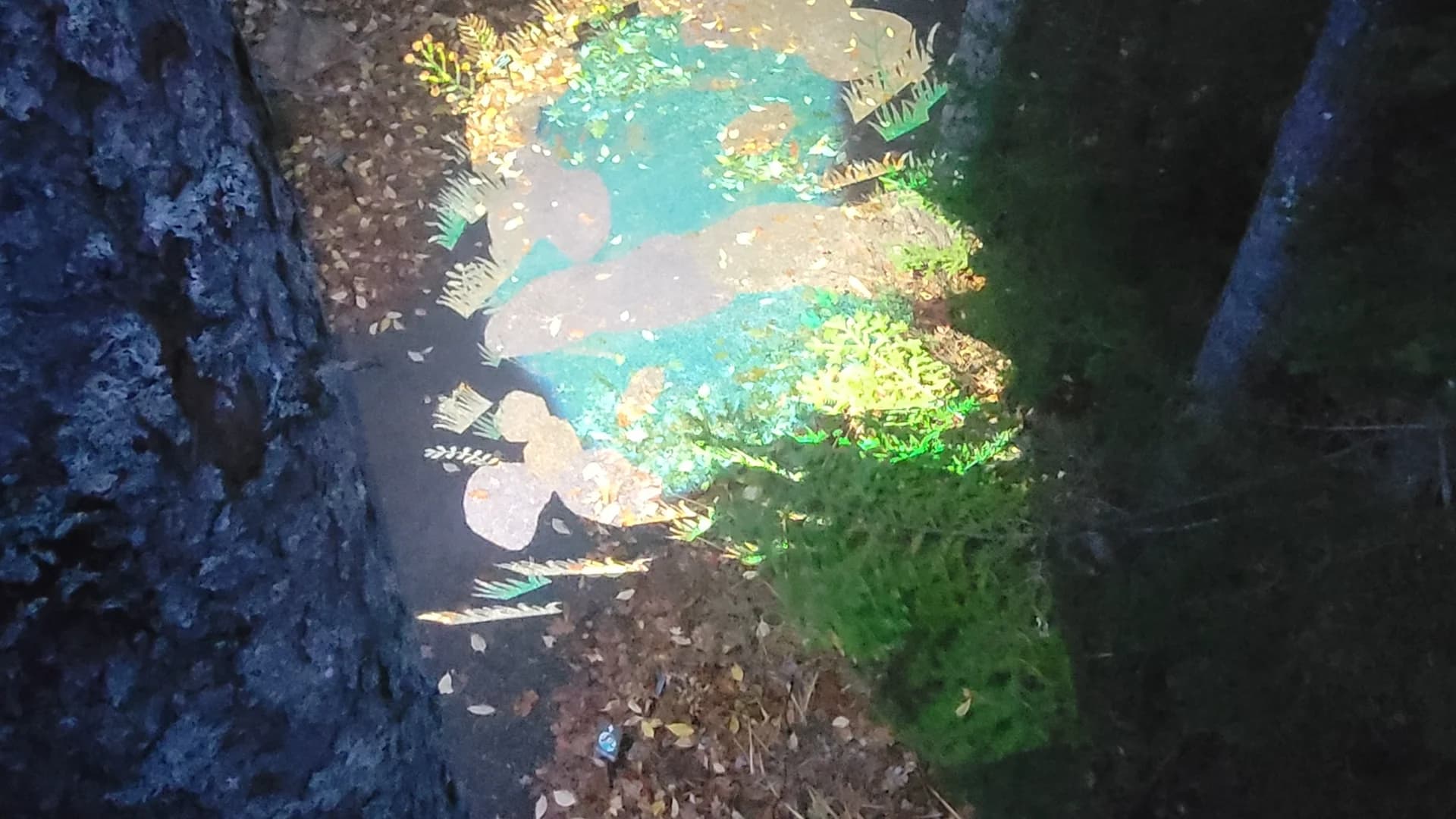
Installation 02: Looking down from approximately 30 feet in the canopy during dusk alignment of the vernal-pool projection.
To exceed standard 3D printer volume limits, I designed 22-by-8-inch spotted salamanders with interlocking modular joints and internal wire channels. I operated resin printers 24/7 for 20 consecutive days to produce the clear bodies. I championed an architecture of decentralized microcontrollers so that a failure in one sculpture would not compromise the rest of the array. A PORTL& co-founder engineered the LED code and sensor relays.
Outdoor testing: Lawn array verifying independent microcontroller lighting cycles triggered as visitors approach.
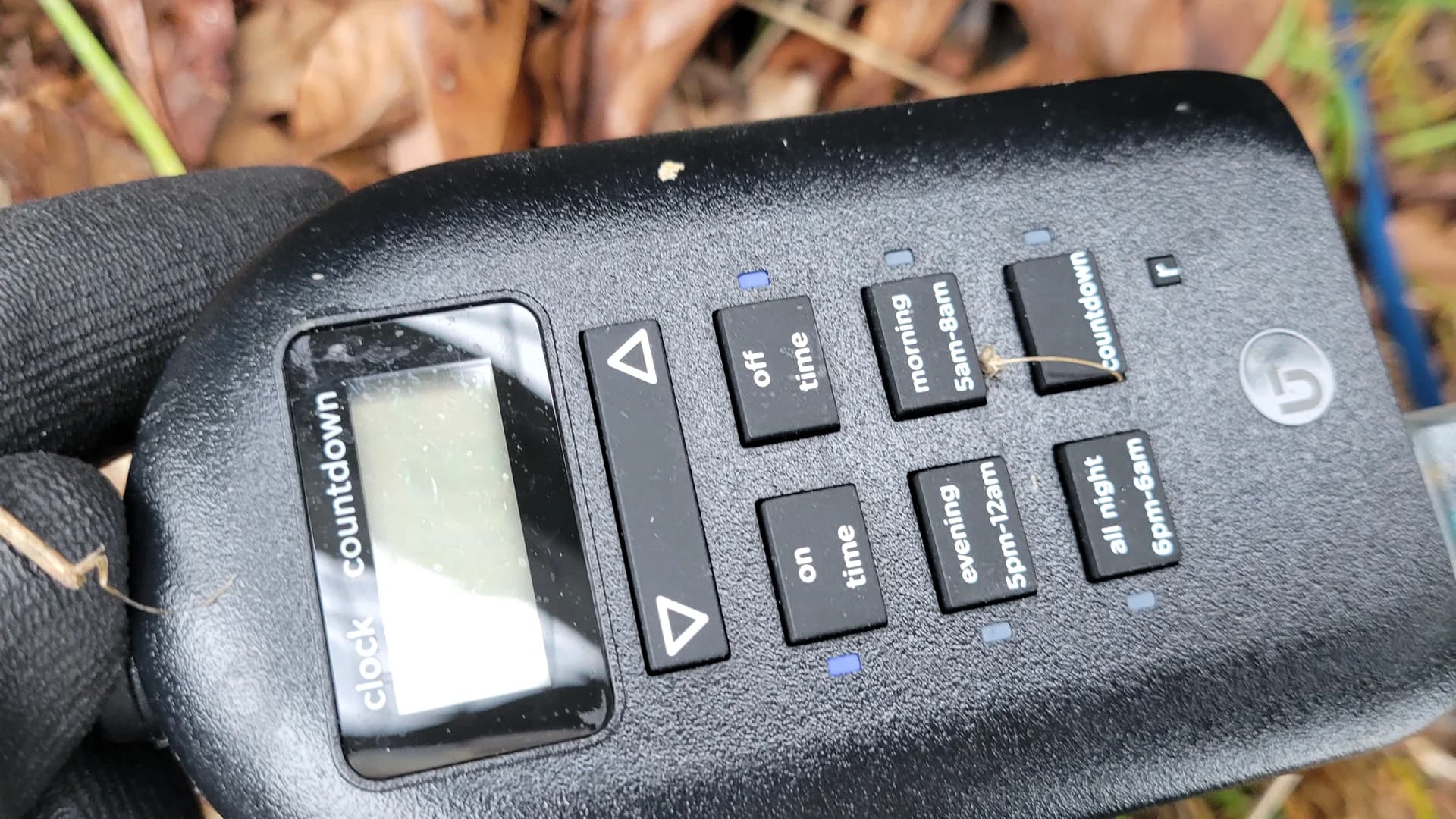
I scripted automated Windows Task Scheduler routines to boot hardware, launch media players, and shut down on schedule between 6 PM and 10 PM nightly. Throughout the month-long winter run, I provided on-call field maintenance, returning to the botanical grounds three to four times to adjust optical alignment and resolve network anomalies.
What came out of it
PORTL& delivered the bridge projection, vernal-pool projection, and motion-responsive salamanders for the month-long event. Visitors actively engaged with and shared the work, and the Gardens retained the salamander sculptures. The strongest verified result is that the team took three complex concepts through 3D previs, physical fabrication, high-angle rigging, automation, and live winter support.
No verified attendance, engagement, or uptime metrics were formally recorded by the client. The case study documents verified production photography, field recordings, system architecture, and operational lessons without claiming unverified metrics.
The work had to work. Night after night.
Keep exploring
Memory Television — a personal archive explored through a handheld CRT.
Open to staff and lead product design roles, design engineering, and creative technology collaborations in Greater Boston and remotely.


